
Top 5 Strategies for Patient Communication Compliance: Certified Mail, Address Verification & Robust Tracking

Introduction: Navigating the Complexities of Patient Communication Compliance
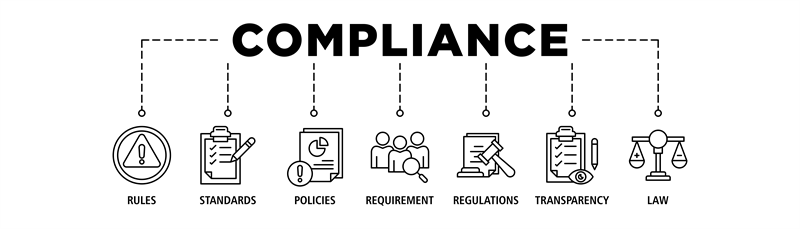
Hand presenting compliance icons—transparency, laws, regulation—illustrating patient communication compliance and tracking
Visualizing key pillars of patient communication compliance: governance, regulations, verified addresses, and end-to-end tracking.

In the high-stakes environment of healthcare, communication is more than just a courtesy—it’s a critical component of patient care, safety, and regulatory compliance. When communication falters, the consequences can be severe. Medical safety experts have linked communication failures to over 7,000 medical malpractice lawsuits, which resulted in $1.7 billion in malpractice costs and nearly 2,000 preventable deaths. This stark reality underscores the urgent need for healthcare providers to adopt ironclad strategies for patient outreach, especially for sensitive and time-critical information.

Navigating this complex landscape requires a multi-faceted approach that goes beyond standard email or phone calls. It demands verifiable, secure, and meticulously documented communication methods. This article outlines five essential strategies—leveraging Certified Mail, advanced address verification, robust tracking, integrated technology, and comprehensive recordkeeping—to build a resilient compliance framework that protects your practice and your patients.

The Critical Role of Communication in Healthcare Compliance

Effective communication is the bedrock of the patient-provider relationship and a cornerstone of regulatory adherence. From conveying test results and billing information to issuing patient dismissal letters, every interaction is governed by rules designed to protect patient privacy and ensure clarity. Failure to meet these standards introduces significant risks, including HIPAA violations, legal challenges, and a breakdown in patient trust.

The Evolving Landscape of HIPAA and Patient Data Protection

The Health Insurance Portability and Accountability Act (HIPAA) sets stringent standards for protecting sensitive patient health information (PHI). As digital communication methods proliferate, the challenge of maintaining compliance has grown. While over 75% of patients want to use digital tools to connect with the healthcare system, not all communications are suitable for digital channels. Critical notices often require a higher standard of proof that confirms delivery, a standard that traditional mail, when used correctly, is uniquely positioned to meet.

Why Traditional Mail Remains a Cornerstone for Verifiable Communications

In an era dominated by digital messaging, physical mail remains indispensable for high-stakes healthcare communications. Unlike email, which can be missed, filtered as spam, or lack definitive proof of receipt, a service like USPS Certified Mail creates a legally admissible paper trail. This verifiable chain of custody is essential for demonstrating due diligence and fulfilling compliance mandates where proof of mailing and proof of delivery are non-negotiable.

Strategy 1: Securing Critical Patient Communications with Certified Mail

For sensitive documents, simply sending a letter is not enough; you must be able to prove it was sent and, crucially, that it was delivered. This is where USPS Certified Mail becomes an indispensable tool for healthcare compliance.

What is Certified Mail and Its Foundational Role in Healthcare Compliance

USPS Certified Mail is an exceptional service offered by the United States Postal Service (USPS) that provides the sender with official proof of mailing and delivery. When a letter is sent via Certified Mail, it is assigned a unique tracking number. The sender receives a mailing receipt stamped by the Post Office as irrefutable evidence of the mailing date. Upon delivery, the carrier obtains a signature from the recipient, and that delivery confirmation is recorded. For an additional fee, the sender can request a physical or electronic Return Receipt, which includes the recipient’s signature, as the ultimate proof of delivery. This documented journey provides an unparalleled level of security and legal standing for critical communications.

Essential Healthcare Scenarios Requiring Certified Mail for Compliance

While not every piece of patient mail requires this level of security, several scenarios mandate its use to mitigate risks and ensure compliance. Using Certified Mail is a best practice for:

  • Patient Dismissal Letters: Formally terminating a patient-provider relationship requires documented proof that the patient was notified, giving them adequate time to find a new provider.
  • Collection Notices: Sending final demands for payment via Certified Mail establishes a clear record of your attempts to collect a debt before escalating the matter.
  • Responses to Formal Grievances: When responding to a patient complaint, using Certified Mail demonstrates a formal, tracked response and confirms the patient received it.
  • Transmitting Sensitive Medical Records: While electronic portals are common, sending physical records to patients or other entities upon request via this method ensures a secure and verifiable delivery.
  • Critical Appointment or Procedure Notices: For life-altering appointments where a no-show could have severe health consequences, Certified Mail provides proof that the notification was delivered.

Strategy 2: Ensuring Precision Delivery Through Advanced Address Verification

A meticulously prepared Certified Mail letter is useless if it’s sent to the wrong address. Inaccurate patient data is not just an operational headache; it’s a significant compliance vulnerability.

The Hidden Compliance Risks of Inaccurate Patient Addresses

Sending PHI to an incorrect address constitutes a HIPAA breach, exposing a practice to fines and reputational damage. Beyond breaches, bad address data creates a cascade of costly problems. Inaccurate patient information is a leading cause of claim denials, with 35% of denied claims in the U.S. stemming from such errors. Furthermore, insufficient data leads to duplicate records, and the estimated cost per duplicate record is $40-$50, creating significant financial waste. An undelivered notice can also mean a patient misses critical information about their care, leading to adverse health outcomes and potential liability.

How Robust Address Verification Safeguards Patient Data and Streamlines Operations

Advanced address verification is a proactive strategy to scrub and standardize patient addresses against an authoritative database, such as the USPS National Change of Address (NCOA) system. This process corrects typos, standardizes formats, and updates addresses for patients who have moved. By ensuring accuracy before any mailing, you drastically reduce the risk of misdirected PHI, minimize returned mail, and improve the success rate of every communication attempt.

Implementing Effective Address Verification Protocols in Healthcare Workflows

Integrating address verification should be a standard operational procedure, not an afterthought. This can be achieved through:

  1. Point-of-Entry Validation: Implement software that verifies addresses in real-time as they are entered into your patient management system.
  2. Regular Database Cleansing: Periodically run your entire patient database through a verification service to catch outdated information.
  3. Integration with Mailing Platforms: Use mailing solutions that have built-in address verification to automatically check addresses before printing postage and labels.

Strategy 3: Building Unassailable Audit Trails with Robust Tracking Capabilities

In compliance, if you can’t prove it, it didn’t happen. Robust tracking provides the detailed evidence needed to create an unassailable audit trail for every critical patient communication.

Moving Beyond Basic Tracking: The Core of Robust Compliance Tracking

Standard package tracking tells you if an item was delivered. Robust compliance tracking, however, documents the entire lifecycle of a communication. It answers key questions for auditors: When was the mail created? When was it sent? What was its delivery path? Who signed for it, and on what date? This level of detail transforms a simple delivery confirmation into a comprehensive compliance record. The tracking number is the key that unlocks this journey, providing real-time visibility from the moment the mail leaves your office until a signature is captured.

Establishing a Verifiable Chain of Custody for Every Patient Communication

A strong chain of custody demonstrates control and diligence over sensitive information. For physical mail, this means linking the unique tracking number from a Certified Mail form directly to the specific patient and document in your internal records. This creates an unbroken evidentiary line connecting the letter’s content to its confirmed delivery. When combined with an electronic Return Receipt, which provides a digital copy of the signature, this chain of custody becomes a powerful tool for resolving disputes and satisfying auditors.

Leveraging Tracking Data for Proactive Risk Management and Continuous Improvement

Tracking data is more than just a historical record; it’s a tool for proactive management. Monitoring tracking information allows your team to identify delivery delays or failures in near real-time. If a critical notice is stalled or returned, you can immediately initiate follow-up procedures, such as a phone call or a second mailing. This proactive approach demonstrates a commitment to ensuring patients receive vital information and helps mitigate risks before they escalate.

Strategy 4: Streamlining Compliance with Integrated Technology Solutions for Mail

Manually preparing Certified Mail forms, trekking to the Post Office, and filing paper receipts is an outdated and inefficient process. Modern technology solutions automate these workflows, saving time, reducing errors, and strengthening your compliance posture.

The Imperative Shift from Manual to Automated Certified Mail Processes

The manual mailing process is fraught with potential for human error. A mistyped address on a form, a lost mailing receipt, or a misplaced Return Receipt can undermine your entire compliance effort. Automated Certified Mail software eliminates these risks by digitizing the process. Users can prepare and print USPS-approved labels and forms from their office computer, simplifying the entire mailing workflow and ensuring consistency and accuracy.

Key Benefits of Certified Mail Software for Healthcare Practices

Integrating a dedicated software solution offers numerous advantages:

  • Efficiency: Prepare dozens of mailings in the time it takes to do a few by hand.
  • Cost Savings: Often provides access to lower postage rates and eliminates the need for physical forms and green cards.
  • Centralized Recordkeeping: Automatically stores tracking numbers, delivery confirmations, and electronic Return Receipt signatures in a secure, searchable digital archive.
  • Reduced Errors: Address verification features and data imports from patient records minimize typos and inaccuracies.

Selecting the Right Technology Partner to Enhance Your Compliance Posture

When choosing a software partner, look for solutions designed with compliance in mind. Key features should include robust security protocols, long-term data archiving, detailed reporting capabilities, and seamless integration with your existing workflows. A good partner will act as an extension of your compliance team, providing the tools needed to manage secure mail with confidence.

Strategy 5: Comprehensive Digital Recordkeeping for Ultimate Compliance Assurance

The final, and perhaps most critical, strategy is maintaining a meticulous digital archive of all communication efforts. The proof of mailing and delivery is only valuable if you can produce it on demand.

The Mandate for Meticulous Recordkeeping of All Patient Communications

HIPAA and other regulations require healthcare providers to maintain records of their communications, particularly those involving PHI. A well-organized compliance archive is your primary defense during an audit or legal dispute. It must be secure, accessible to authorized personnel, and capable of storing records for the legally required retention period (typically six years or more).

What to Archive: Essential Proofs for Audits, Legal Scrutiny, and Risk Mitigation

For every piece of critical mail sent, your digital archive should contain:

  • A copy of the letter that was sent.
  • The USPS Certified Mail receipt (proof of mailing).
  • The tracking number and its complete tracking history.
  • The final proof of delivery, ideally, is the electronic Return Receipt with the recipient’s signature and delivery date.

This complete package provides a 360-degree view of the communication event, leaving no room for doubt.

Best Practices for Maintaining a Secure and Accessible Digital Compliance Archive

Your archive should be more than a simple folder of scanned documents. Implement a system with role-based access controls to ensure only authorized staff can view sensitive information. The system should be searchable by patient name, date, or tracking number, allowing you to retrieve necessary documentation in minutes, not hours. Regular backups and a clear data retention policy are also essential components of a robust archiving strategy.

Conclusion: A Holistic Approach to Future-Proofing Patient Communication Compliance

Ensuring patient communication compliance is an active, ongoing process, not a passive goal. By strategically combining the legal weight of Certified Mail with the precision of address verification, the visibility of robust tracking, the efficiency of technology, and the security of digital recordkeeping, healthcare providers can build a formidable compliance framework.

Recapping the Top 5 Strategies for Proactive Compliance and Risk Mitigation

  1. Use Certified Mail for unassailable proof of mailing and delivery of critical documents.
  2. Implement Address Verification to ensure accuracy and prevent costly data breaches.
  3. Establish Robust Tracking to create a verifiable chain of custody for every communication.
  4. Adopt Integrated Technology to automate workflows, reduce errors, and improve efficiency.
  5. Maintain a Digital Archive for secure, long-term storage of all compliance documentation.

The Future of Secure, Verifiable, and Efficient Patient Communications

Patient expectations are clear: 81% of healthcare consumers are likely to recommend a provider if communication exceeds expectations. Meeting these expectations while navigating a complex regulatory environment requires a blend of proven methods and modern tools. The future of patient communication lies in an integrated approach where the reliability of physical mail and the efficiency of digital solutions work together to create a secure, verifiable, and patient-centric experience.

Empowering Your Practice with Confidence, Protection, and Peace of Mind

By implementing these five strategies, you are not just checking a compliance box. You are actively protecting your practice from financial and legal risks, safeguarding your patients’ sensitive information, and strengthening the trust that is fundamental to quality healthcare. This proactive approach empowers your practice to communicate with confidence, ensuring every critical message is handled with the seriousness it deserves.

Healthcare provider communicating empathetically with patient to improve treatment compliance and understanding. 11Oct, 2025
Top 5 Strategies for Unlocking Superior Patient Communication Compliance

Introduction: The Imperative of Superior Patient Communication for Compliance

In modern healthcare, the gap between a prescribed treatment plan and a patient’s adherence can have profound consequences. While numerous factors influence patient compliance, the cornerstone of success or failure is invariably communication. Poorly conveyed instructions, unaddressed concerns, and a lack of trust can undermine even the most advanced medical care. The challenge for providers is not merely to talk to patients, but to engage in a dynamic, understandable, and empathetic dialogue that empowers them to become active partners in their own health. This requires a strategic shift from basic interaction to superior communication designed to unlock consistent compliance.

The Critical Link Between Communication and Patient Outcomes

The connection between how a doctor communicates and how a patient heals is not theoretical; it is a measurable reality. Effective communication is directly linked to improved medication adherence, fewer hospital readmissions, and better management of chronic conditions. Patients who feel heard and understood are more likely to trust their provider’s advice and follow complex treatment instructions. Conversely, communication breakdowns are a leading cause of adverse events. When patients leave an appointment confused about their diagnosis, medications, or next steps, the risk of non-compliance skyrockets, jeopardizing their health and increasing costs across the healthcare system.

Why “Superior” Communication Matters: Beyond Basic Interactions

Moving beyond basic information exchange to ‘superior’ communication involves a commitment to ensuring genuine understanding and building a resilient patient-provider relationship. This ‘superior’ communication is not just about providing information, but about engaging in a dialogue that is tailored to the patient’s needs, preferences, and understanding. It means actively dismantling barriers, be they language, health literacy, or emotional hesitation. Superior communication is proactive, anticipating patient questions and concerns before they become obstacles. It transforms the clinical encounter from a transactional event into a collaborative experience, where shared decision-making fosters a sense of ownership and commitment in the patient. This higher standard is the key to converting medical guidance into sustained, positive health behaviors.

Strategy 1: Master Empathetic & Active Dialogue for Deeper Understanding and Adherence

The foundation of patient compliance is built on genuine understanding, which can only be achieved through clear, empathetic, and active dialogue. This strategy moves beyond the simple transmission of information to focus on how the message is delivered and received, ensuring it resonates with the patient on a personal level. It requires a conscious effort from the provider to create a safe and open environment where the patient feels valued and heard, underscoring the crucial role of healthcare professionals in fostering trust and understanding.

Cultivating Active Listening and Empathetic Engagement

Active listening is more than simply not speaking; it is a focused skill that involves giving the patient your undivided attention. This means putting down charts, making eye contact, and absorbing not just their words but also their non-verbal cues. Empathetic engagement complements this by acknowledging the patient’s feelings and perspective without judgment. Phrases like “I can see this is difficult for you” or “That sounds like a valid concern” validate their experience and build a robust foundation of trust. When patients feel genuinely heard, they are more likely to share critical information about potential barriers to their care, such as financial difficulties or conflicting personal beliefs about a treatment.

Uncovering and Addressing Hidden Barriers to Compliance

Many barriers to treatment adherence are not medical but personal and often go unstated unless prompted. A provider’s empathetic approach can uncover these hidden obstacles. By asking open-ended questions like, “What are your thoughts on this treatment plan?” or “What challenges do you foresee with taking these medications every day?” physicians can invite an honest conversation. This dialogue might reveal a patient’s fear of side effects, difficulty with transportation for follow-up appointments, or a lack of family support. A significant barrier can be language; a 2024 report from Dialog Health found that 20% of medical professionals believe language barriers consistently impact health outcomes. By identifying and addressing these specific issues, a generic treatment plan becomes a personalized, achievable strategy.

Strategy 2: Demystify Complexities: Championing Plain Language and Visual Reinforcement

Healthcare is rife with complex terminology and intricate concepts that can be overwhelming for patients. A critical strategy for ensuring compliance is to demystify this complexity by championing the use of plain, accessible language and reinforcing key messages with visual tools. The goal is to translate medical expertise into actionable instructions that patients can confidently understand and recall long after they leave the clinic.

Eradicating Medical Jargon and Promoting Health Literacy

Medical jargon is a primary culprit in patient confusion, so providers must make a conscious effort to replace clinical terms with simple, everyday language. Instead of “hypertension,” use “high blood pressure.” Instead of “myocardial infarction,” say “heart attack.” This commitment to clarity respects the patient and promotes health literacy. It empowers them by making their own health conditions comprehensible. The responsibility lies with the provider to bridge the knowledge gap, ensuring that every patient, regardless of their educational background, has a clear understanding of their diagnosis, the purpose of their treatment, and the importance of their medications. This simple shift in language can dramatically improve adherence.

Leveraging Visual Aids and the Teach-Back Method for Retention

Verbal instructions alone are often insufficient, as patients may forget a significant portion of what was discussed. Reinforcing communication with visual aids such as diagrams of the body, charts showing medication schedules, or short explanatory videos can significantly improve retention. An even more powerful tool is the “Teach-Back” method. After explaining a concept or set of instructions, the provider asks the patient to explain it back in their own words, for instance, “To make sure I was clear, can you tell me how you’re going to take this medication?” This is not a test of the patient’s knowledge but a measure of the provider’s ability to communicate effectively. It instantly reveals any misunderstandings and allows for immediate clarification, ensuring the patient leaves with accurate information.

Strategy 3: Forge Unbreakable Trust: Building Rapport Through Personalized Engagement

Trust is the currency of the patient-provider relationship. Without it, even the most precise instructions may be met with skepticism or disregarded entirely. Forging a strong rapport through personalized engagement is not just important; it’s essential for building the trust required for sustained treatment adherence. When patients trust their physician, they are more willing to voice concerns, ask questions, and commit to a shared plan for their care.

Establishing Trust and Rapport as the Foundation of Sustained Adherence

Trust is not established in a single visit but cultivated over time through consistency, reliability, and demonstrated care. It begins with small but significant actions: remembering a personal detail from a previous conversation, asking about the patient’s life outside their illness, and showing genuine concern for their well-being. This human connection fosters rapport and helps the patient see their provider as a trusted partner rather than just a clinical authority. This relationship creates a psychological safety net, making patients more likely to adhere to their treatment plan because they don’t want to disappoint a provider they respect and trust.

Personalized Engagement and Shared Decision-Making for Empowerment

Personalized engagement involves tailoring the communication and treatment plan to the individual’s unique circumstances, preferences, and goals. This moves beyond a one-size-fits-all approach to care. A key component of this is shared decision-making, where the provider presents evidence-based options and the patient contributes their personal values and preferences. By discussing the pros and cons of different treatments together, the provider empowers the patient to take an active role in their healthcare journey. This collaborative process ensures the final treatment plan is not only medically sound but also one the patient has co-created, making them more invested in following it.

Strategy 4: Harnessing the Digital Advantage: Strategic Technology Deployment for Seamless Adherence Support

In today’s connected world, communication and care should not be confined to the four walls of an examination room. Strategic deployment of technology offers powerful tools to reinforce instructions, provide ongoing support, and maintain engagement between appointments. Harnessing these digital advantages can create a seamless support system that promotes continuous adherence.

Optimizing Patient Portals and Telehealth for Accessibility and Follow-up

Patient portals have become a central hub for healthcare communication. Research from Athenahealth shows that over 60% of patients currently use a patient portal, making it a prime tool for engagement. Providers can leverage portals to send secure messages, share lab results with clear explanations, and provide access to educational materials. Telehealth appointments offer another layer of accessibility, providing a convenient way to conduct follow-ups, answer patient questions, and adjust medications without the need for an in-person visit. These tools make it easier for patients to stay connected to their care team, ask timely questions, and receive the reinforcement needed to stay on track.

Integrating Mobile Apps, Reminders, and AI for Proactive Adherence

Mobile technology offers proactive solutions to common compliance challenges. Simple, automated text messages or app notifications can remind patients to take their medications, check their blood sugar, or schedule a follow-up appointment. More advanced mobile health apps can help patients track their symptoms, log their progress, and even provide personalized health coaching. Emerging AI-powered tools can analyze patient data to predict who may be at risk for non-adherence and trigger personalized interventions. By integrating these technologies into the care plan, healthcare providers can offer round-the-clock support that guides patients toward better habits and sustained compliance.

Strategy 5: Proactive Barrier Busting and Continuous Feedback Loops for Sustainable Compliance

Achieving superior compliance requires a systematic approach that not only addresses existing communication gaps but also proactively identifies and removes potential barriers. This final strategy focuses on building resilient workflows and continuous feedback loops to ensure communication is consistently effective and adaptable, creating a sustainable culture of compliance.

Proactively Addressing Communication and Adherence Barriers

Instead of waiting for non-compliance to occur, healthcare organizations should proactively identify common adherence barriers within their patient populations. This can be done by analyzing patient data, conducting surveys, or holding patient focus groups. Are transportation, cost of medications, or health literacy common issues? Once identified, systems can be put in place to address them. This might involve integrating social workers into the care team, providing clear information on prescription assistance programs, or offering all patients educational materials at an appropriate reading level. This proactive “barrier-busting” approach smooths the path to adherence before the patient ever encounters an obstacle.

Establishing Feedback Loops and Workflow Optimization for Systemic Improvements

To ensure communication strategies are working, it is crucial to establish feedback loops. This involves regularly soliciting feedback from both patients and staff. Simple post-visit surveys can ask patients if they understood their care plan and felt their questions were answered. Regular team huddles can allow physicians, nurses, and other staff to discuss communication challenges and share best practices. This feedback should be used to refine and optimize communication workflows continually. By treating patient communication as a core operational process that is measured, analyzed, and improved, healthcare organizations can move from ad-hoc efforts to a system that reliably produces superior patient understanding and compliance.

Conclusion: The Future of Patient-Centered Compliance

Unlocking superior patient compliance is not about finding a single magic bullet but about implementing a multifaceted, strategic approach to communication. It requires a fundamental shift towards a patient-centered model where clarity, empathy, and trust are prioritized at every touchpoint of the healthcare experience.

Recapping the Power of Strategic Communication

The five strategies mastering empathetic dialogue, demystifying complexities, forging trust, harnessing technology, and proactively busting barriers work in synergy. Together, they create a robust framework that transforms communication from a routine task into a powerful therapeutic tool. This framework ensures that every patient feels heard, understood, and empowered to participate actively in their own care.

Driving Better Health Outcomes and Patient Engagement

Ultimately, the goal of superior communication is to drive better health outcomes. A pilot study highlighted by Press Ganey demonstrated that patients reporting clear provider communication had fewer emergency room visits and shorter hospital stays. By investing time and resources into these communication strategies, healthcare providers can significantly improve treatment adherence, enhance the patient experience, and achieve the clinical results that both parties desire.

A Continuous Journey Towards Excellence

Achieving excellence in patient communication is not a final destination but a continuous journey of learning and refinement. It demands an ongoing commitment from healthcare leaders and frontline providers to prioritize these essential skills, adapt to new technologies, and always place the patient’s understanding at the heart of the care delivery model. By doing so, we can unlock a healthier future for all patients.

Read more in our Insights section.